
Concrete vs. Polyethylene Septic Tanks: A Homeowner’s Guide
Choosing the right septic tank material is one of the most important decisions a homeowner will make when installing or replacing a septic system. Two of the most common tank materials are concrete and polyethylene (plastic). Both serve the same essential function — safely holding and beginning the treatment of household wastewater — but they differ significantly in durability, longevity, installation, performance in challenging ground conditions, and overall value.
Why Tank Material Matters
Septic tanks are buried underground, where they must withstand soil pressure, groundwater, corrosive gases, and the daily flow of wastewater from your home. The material they’re made from affects how well they perform in these conditions.
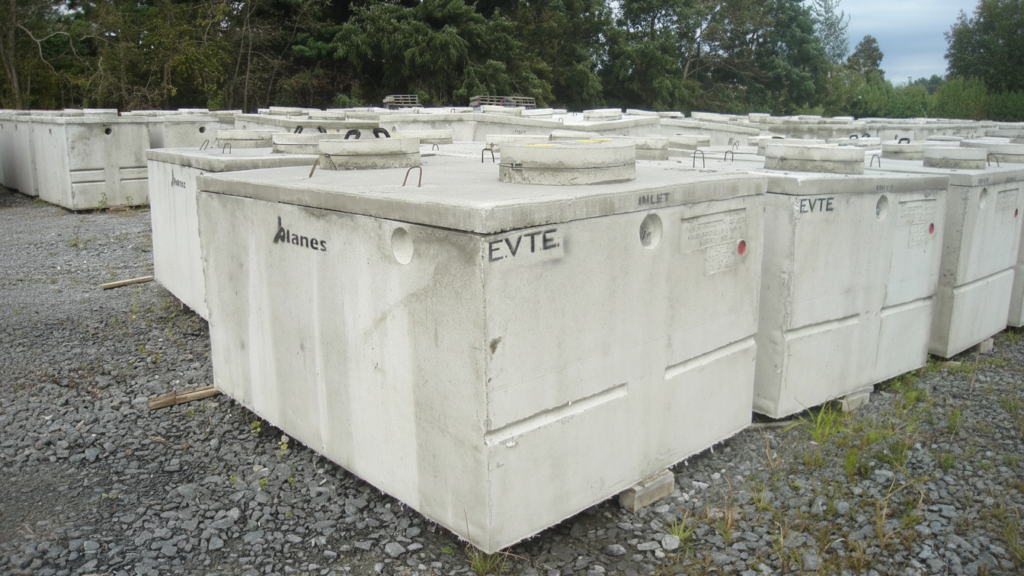
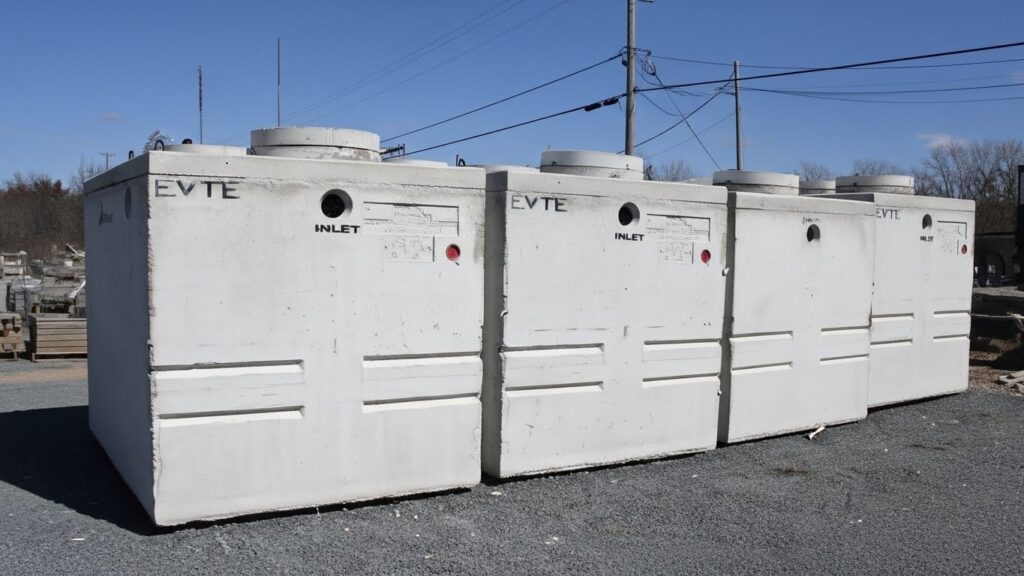
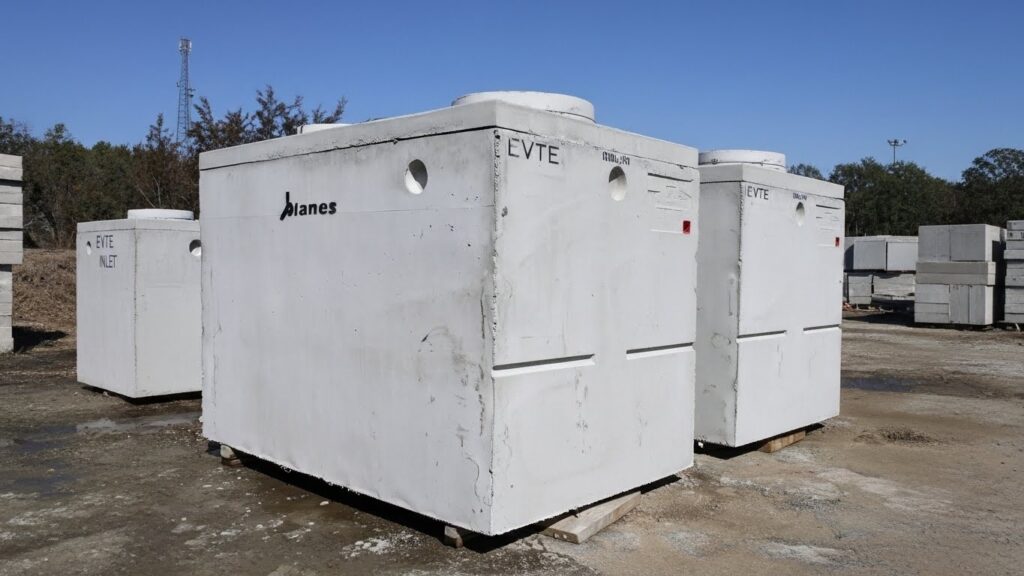
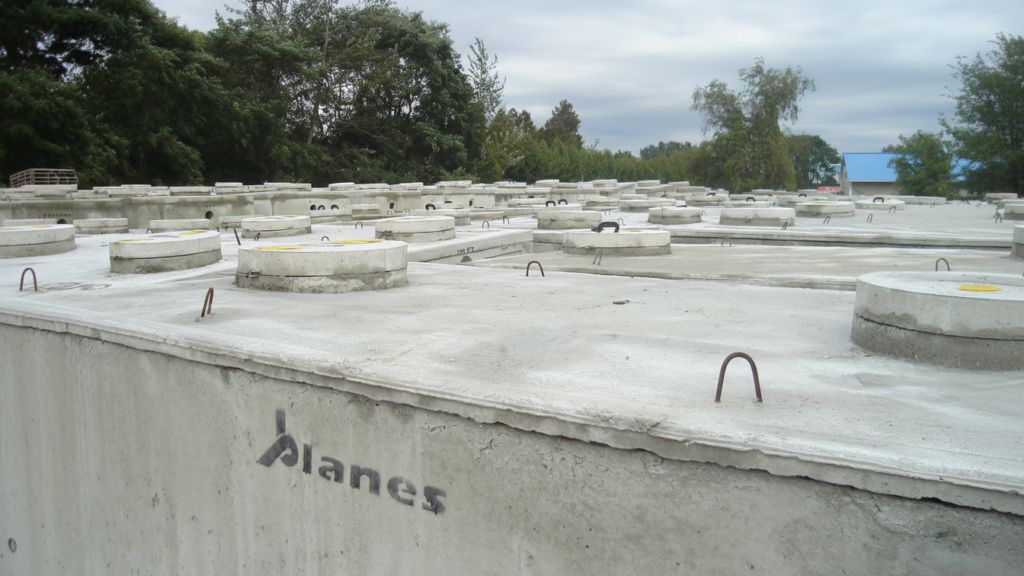
Concrete Septic Tanks — The Proven Long-Term Choice
Top Benefits of Concrete Septic Tanks
1. Unmatched Durability and Longevity
Concrete septic tanks are built to last. With proper installation and routine maintenance, they can reliably function for 40–50+ years — far longer than typical polyethylene tanks.
- The heavy concrete structure resists deformation under soil pressure, unlike thin plastic walls that can warp.
2. Exceptional Stability
Concrete tanks are heavy — this is actually a key advantage:
- The weight prevents tanks from floating or shifting in high water table areas, such as properties with poor drainage, low-lying lots, or flood zones.
- This stability ensures long-term integrity with minimal movement over decades.
3. Ideal for Large or High-Demand Systems
Concrete tanks are easily manufactured or precast in larger sizes, making them suitable for bigger homes, multi-unit installations, or high-usage systems.
4. Strong Against Heavy Loads
Unlike lighter polyethylene tanks, concrete can be driven over or support heavier soil loads above it — useful in
yard areas with vehicle traffic or landscaping.
5. Environmentally Stable and Reliable over Time
Concrete doesn’t leach chemicals or plastics into the soil. While biological gases can cause negligible corrosion, proper tank design and reinforcement ensure it remains structurally sound for decades.
Top Benefits of Concrete Septic Tanks
| Concern | Clarification |
|---|---|
| Concrete can crack | Modern reinforced precast tanks are engineered to resist common stressors, and when installed correctly they remain solid and reliable for decades. |
| Weight | The same weight that makes installation more demanding also prevents tank displacement in wet soils, making concrete a safer long-term investment. |
| Cost | While upfront cost can be higher, the long lifespan and stability often translate to a lower cost per year of use than cheaper tanks. |
Polyethylene Septic Tanks — Lightweight, Not Always Right
Polyethylene (plastic) tanks are often marketed for their ease of transport and lower install cost, but they do have limitations many homeowners don’t fully appreciate:
Poly Tank Pros
- Lightweight & Easy to Install: Can be placed without heavy equipment in some settings.
- Corrosion-Resistant: Impervious to many corrosive gases.
Poly Tank Cons (Important for Homeowners to Know)
- Less Structural Strength: Thin walls make plastic tanks much more susceptible to damage during installation or from soil pressure.
- Can Float or Shift: In high groundwater conditions or after heavy rains, lightweight poly tanks can uplift or move unless properly anchored.
- Size Limitations: Poly tanks are typically available in smaller capacities than concrete, which can affect suitability for larger homes.
- Potential Warping: Under heavy soil loads or freeze-thaw cycles, plastic tanks can distort.
Concrete Tanks: The Best Choice for Most Canadian Homes
Because of Canada’s varied climate, soil conditions, seasonal groundwater shifts, and regulatory requirements, concrete septic tanks remain the most trusted choice for many homeowners and municipalities. They are particularly ideal when:
- Your property has high water tables or seasonal flooding risk.
- You want a long-lasting, low-maintenance solution.
- You require larger capacity tanks for bigger homes or family needs.
While polyethylene tanks can be suitable for some light-use, low-risk environments, concrete’s proven track record, durability, and stability make it the best investment for reliable long-term wastewater management. If your priorities are durability, stability, and peace of mind, concrete septic tanks are the premium choice for Canadian homeowners.